




1965 Mullard EF86 6267 Philips Sittard Holland Mesh Screen X5E Triplett Tested
$74.95
Listed on eBay. Confirm current availability, shipping, and final price before purchasing.
View & buy on eBay- Brand
- Mullard
- Model
- 6267
- Condition
- Used
Listing details
1965 Mullard EF86 / 6267 — Philips Sittard, Holland
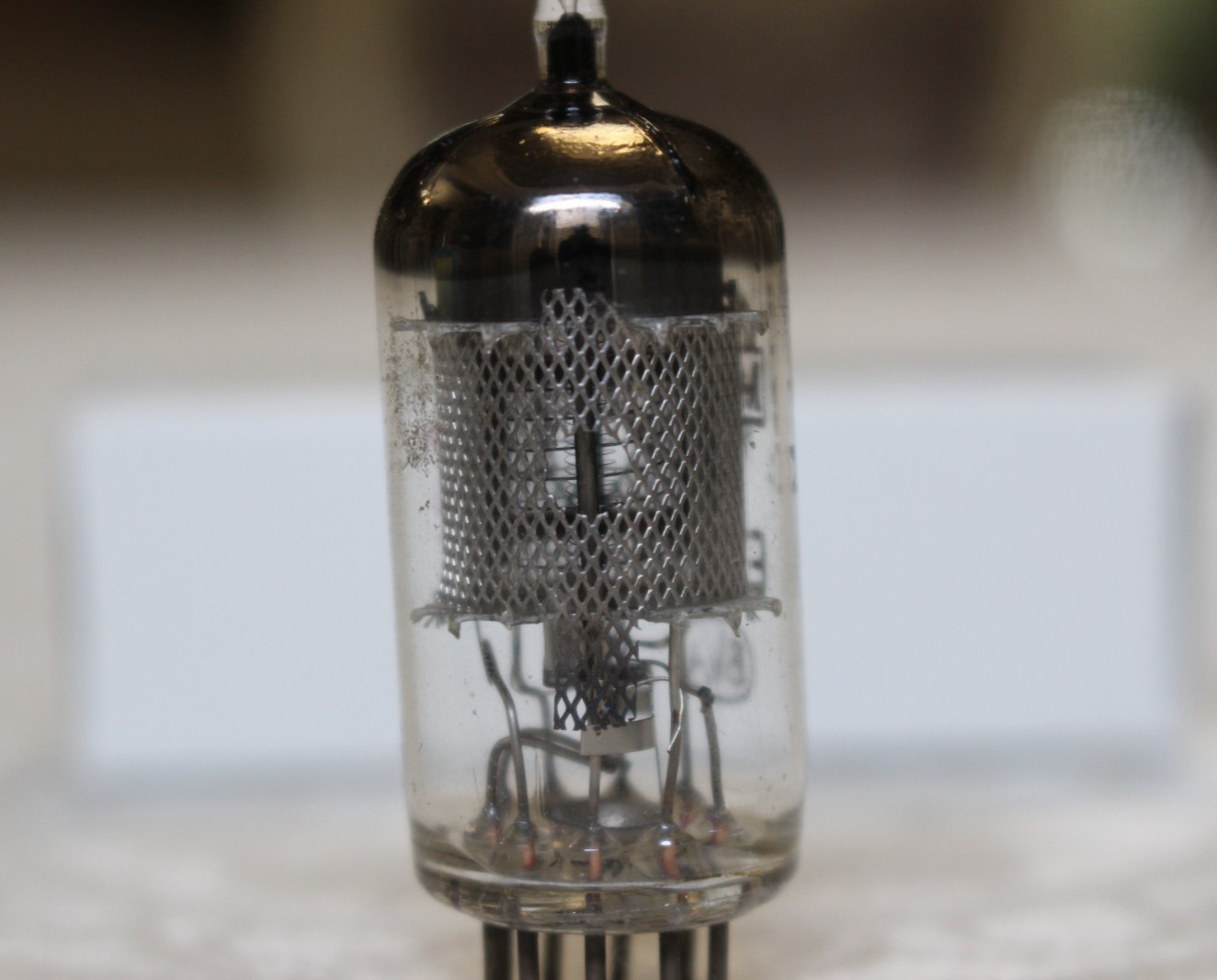
This is the kind of vintage EF86 buyers hope to find: classic black Mullard printing, genuine Philips Holland construction, the distinctive perforated mesh screen, a top halo getter, strong measured performance, and quiet tester results.
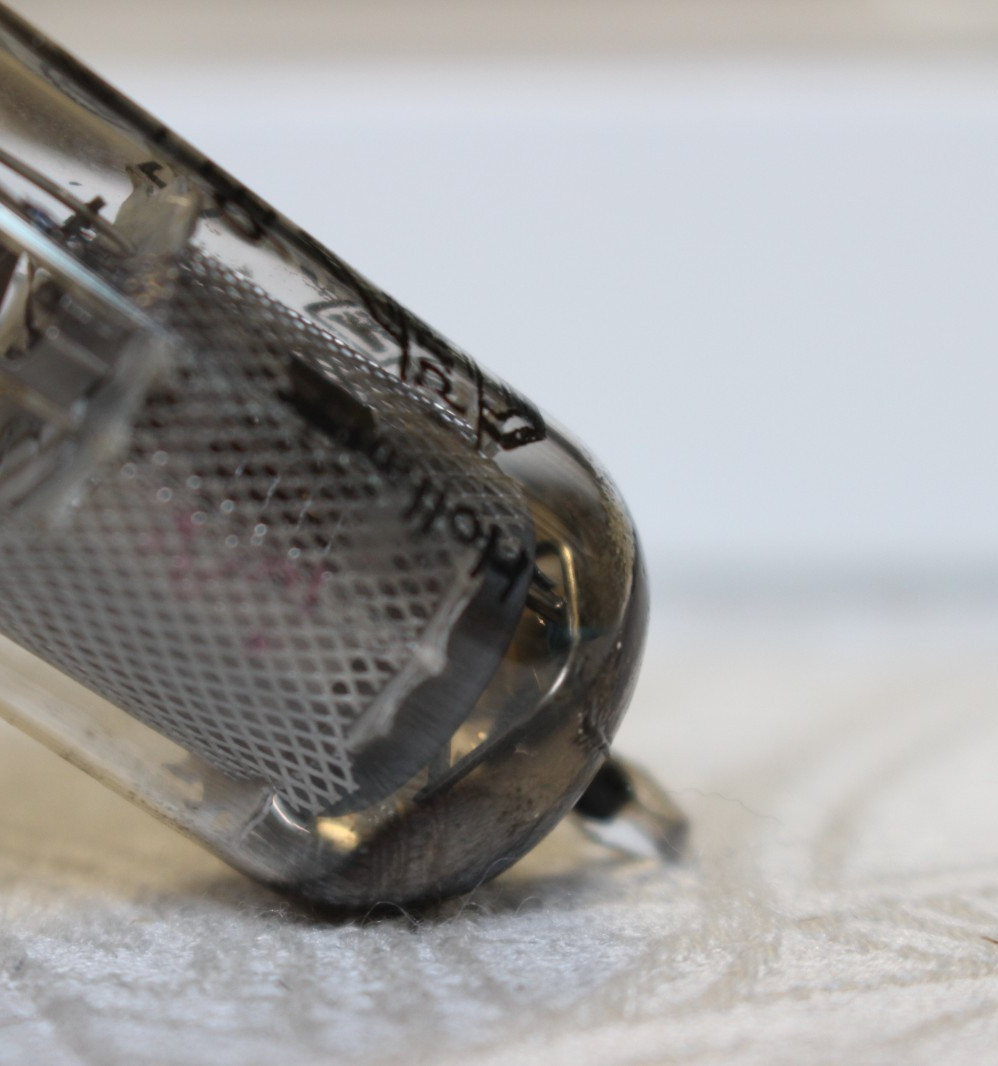
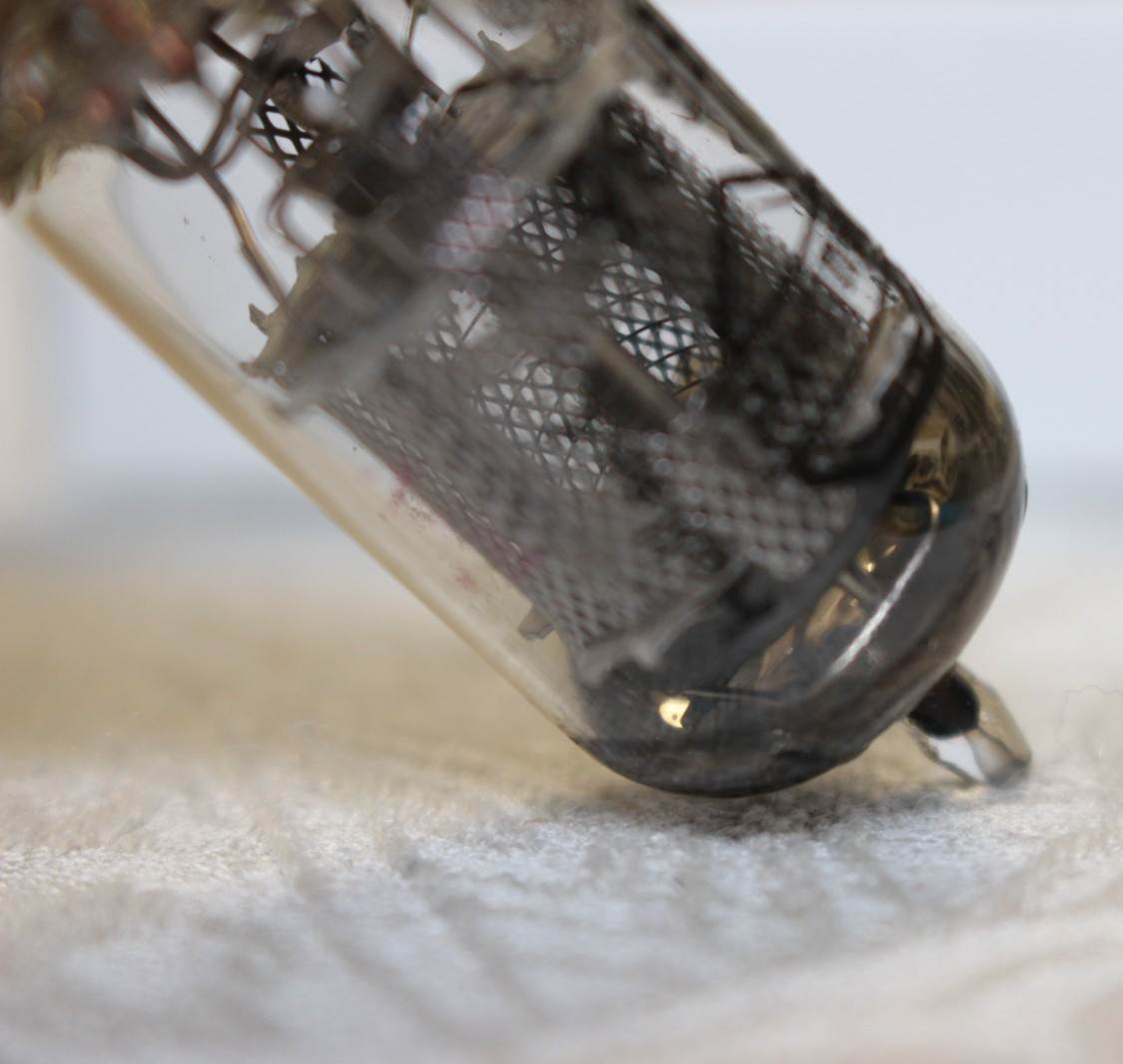
The photographs show the exact tube offered.
Verified identification
The tube is marked:
Mullard
EF86
BVA
Made in Holland
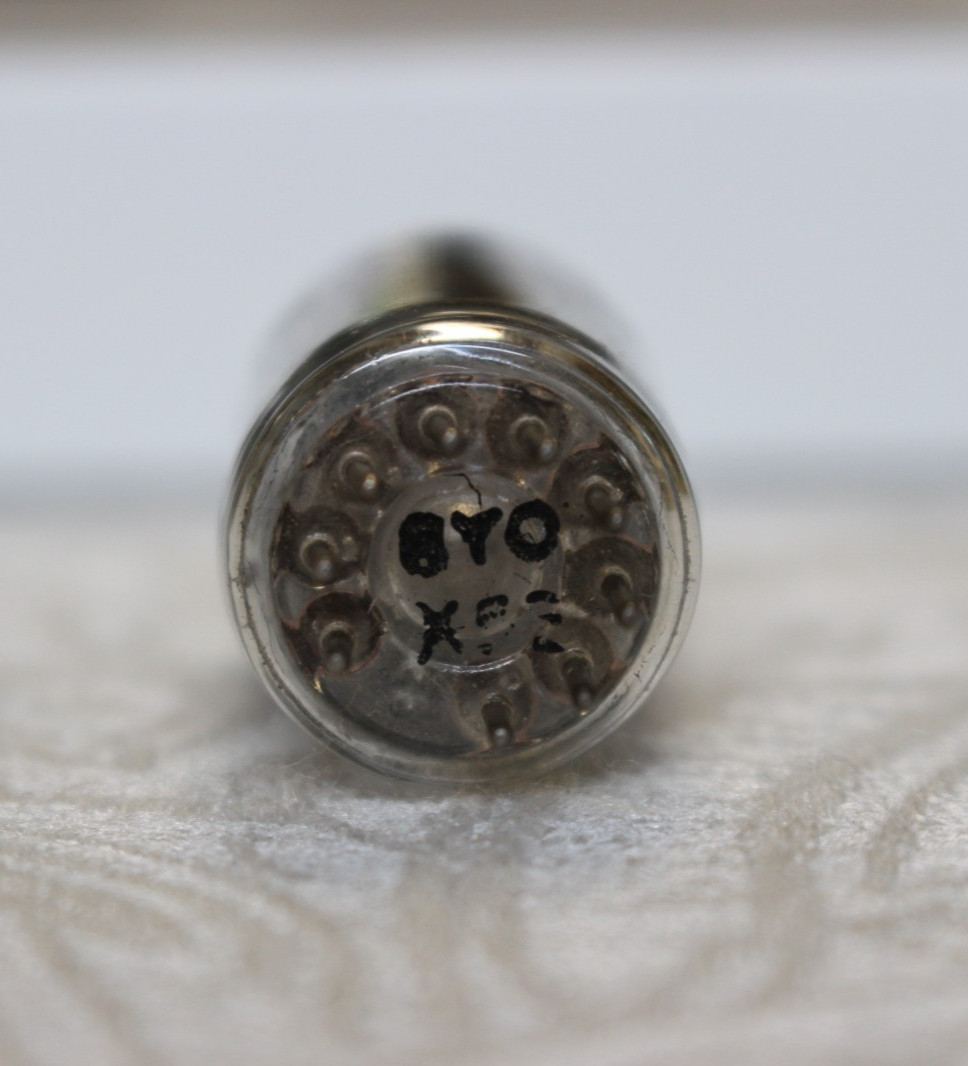
Its Philips production code is visible between the pins:
X5E
The code identifies production at the Philips Sittard factory in Holland, dating to May 1965.
Although it carries Mullard branding, the factory code and Dutch construction identify the actual manufacturer and production location. This is not a British Blackburn version; it is the recognizable Philips/Mullard Holland perforated-screen construction.
Triplett 3444 test results
Carefully tested on a Triplett 3444 mutual-conductance tube tester:
Transconductance: 1,980 µmhos
Plate current: 2.1 mA
Noted Triplett reference range: 1,300–2,000 µmhos
Shorts check: Passed
Leakage check: Passed
Noise check: Quiet
Microphonics check: Quiet
The measured transconductance is near the top of the noted Triplett reference range.
Results reflect measured performance at the time of testing.
Distinctive Dutch construction
This tube features the finely perforated cylindrical electrostatic screen associated with Philips/Mullard Holland EF86 production. Buyers often call this the “mesh” construction.
Visible features include:
Perforated mesh electrostatic screen
Top halo getter
Dark, reflective getter flashing
Clear glass envelope
Straight nine-pin base
Complete internal structure
Original black Mullard shield-logo printing
BVA and Made in Holland markings
The original printing shows natural vintage wear while remaining readily identifiable.
Where it belongs
The EF86 was designed specifically for low-level, high-gain audio amplification. It is an excellent candidate for equipment designed for the EF86 or 6267, including:
Classic VOX AC15-style EF86 channels
Matchless C-30/DC-30 family amplifiers
Matchless Phoenix, Cobra, and related EF86-equipped models
QUAD II and QUAD II Classic monoblock amplifiers
Vintage hi-fi and audio preamplifiers
Recording, tape, and studio equipment
Compatible microphone-preamplifier circuits
VOX documentation confirms the EF86 in the original-style AC15 preamp, Matchless uses it in the C-30 family, and QUAD specifies two EF86 tubes in each II Classic amplifier. The original EF86 design was intended for early stages of high-gain audio amplifiers, microphone preamplifiers, and tape equipment.
Expected sound character
Philips/Mullard Holland EF86 tubes are often sought for a smooth, full and liquid presentation, with rich midrange body, clear detail, and a refined top end. This tube’s strong measured performance and quiet checks make it an appealing choice for a sensitive audio gain position.
Final tonal character will naturally reflect the amplifier, circuit, speakers, and complete system. Vintage Mullard EF86s are widely associated with warmth and liquid tone, while strong Dutch mesh examples are also described as open and spacious through the midrange.
Exact tube, carefully presented
Supplied in a new white replacement box for clean storage and protected shipment.
The buyer receives the exact tube shown—not a stock image or a substitute.
It will be securely packed to protect the glass, pins, printing, and internal structure during shipment.
VTubeAudio — individually photographed, carefully tested, accurately identified, and securely packed.
tmp-32C-236969415353